Avoid access problems for Hackney gardeners in narrow yards: a practical guide for tight London spaces
If you have ever tried to move a mower, bags of cuttings, or even a wheelbarrow through a skinny side passage, you already know the problem. Narrow yards are awkward. Gates stick, steps get in the way, and one misplaced plant pot can turn a simple visit into a bit of a shuffle. This guide explains how to Avoid access problems for Hackney gardeners in narrow yards without turning your garden into a building site.
We will look at what causes access headaches, how good planning reduces them, which tools and methods help most, and when it makes sense to bring in a team that is used to working in compact Hackney gardens. Truth be told, a lot of garden jobs are not difficult because of the plants; they are difficult because of the route to the plants.
Table of Contents
- Why this matters in narrow Hackney yards
- How access planning works in practice
- Key benefits and practical advantages
- Who this is for and when it makes sense
- Step-by-step guidance
- Expert tips for better results
- Common mistakes to avoid
- Tools, resources and recommendations
- Law, compliance, standards and best practice
- Options, methods and comparison
- Case study or real-world example
- Practical checklist
- Conclusion
- Frequently asked questions
Why Avoid access problems for Hackney gardeners in narrow yards Matters
Hackney has no shortage of compact outdoor spaces, and many of them were never designed with modern garden equipment in mind. That creates a very real issue: even routine work such as mowing, hedge trimming, pruning, clearing leaves, or removing waste can become slower, riskier, and more expensive if access is poor.
When access is tight, the garden itself is only half the story. The other half is logistics. Can a person reach the back fence without trampling borders? Can cuttings be carried out without dragging them across paving? Is there somewhere to leave tools without blocking the only route in and out? These questions sound small, but they shape the whole job.
In our experience, most access problems fall into a few familiar patterns:
- gates are too narrow for standard equipment
- paths are cluttered with bins, bikes, planters, or storage
- steps, slopes, or uneven paving make wheeled access difficult
- overgrown hedges or climbers reduce working space
- there is no clear place to stage waste or materials
If those issues are left unresolved, a gardener may need more labour time, smaller tools, or multiple trips. That can affect the quality of the result too, especially on jobs like garden maintenance and lawn mowing, where efficiency matters and the work is repeated over time.
There is also a trust angle here. Homeowners and landlords want the work done neatly, safely, and without avoidable damage. A good access plan protects paving, walls, planting, and the people doing the work. And yes, it saves that awkward moment when someone has to squeeze a hedge trimmer past a patio table for the third time. Nobody enjoys that.
How Avoid access problems for Hackney gardeners in narrow yards Works
The basic idea is simple: instead of forcing the garden team to adapt on the spot, you design the job around the site's access limits before the first tool comes out of the van. That usually starts with a quick site review, either from photos, a short call, or a visit.
A practical access plan covers five things:
- Entry points - gates, side passages, alleyways, rear access, and any locked or shared routes.
- Working clearance - the space needed to move safely around beds, sheds, steps, decking, or furniture.
- Tool choice - hand tools, compact electric kit, folding equipment, or smaller load carriers.
- Waste handling - how clippings, soil, branches, and other debris will be removed from the site.
- Protection measures - boards, covers, or careful staging to prevent damage to surfaces and plants.
For some gardens, the answer is as straightforward as clearing a route before the team arrives. For others, the best move is to split the job into zones. Start at the far end, work back toward the gate, and remove waste in stages rather than building a mountain of green waste in the middle of the path. Sounds obvious, but it makes a huge difference.
On more complex sites, access planning may shape the whole service choice. A garden with tight routes may be better suited to smaller-scale work and targeted clearance rather than heavy machinery. That is one reason why the wider services overview matters: not every garden needs the same method, especially in a dense urban setting.
There is no magic trick here, by the way. Good results come from small decisions stacked together: measure carefully, reduce clutter, choose the right tools, and keep movement paths open. Do that, and the job gets much smoother.
Key Benefits and Practical Advantages
Proper access planning does more than save time. It improves the whole experience for both the gardener and the property owner.
- Less disruption - fewer trips through the house or across the garden means less mess and less noise.
- Better safety - narrow routes and slippery paving are common trip hazards, especially when carrying tools or waste.
- Cleaner finishes - when the route is organised, there is less chance of crushed borders, bent stems, or scratched surfaces.
- More accurate quoting - a realistic view of access leads to more honest labour estimates.
- Faster turnaround - the team spends more time on the garden and less time wrestling with logistics.
- Less stress - everyone knows what to expect before work starts.
That last point is underrated. Access problems are rarely dramatic on their own, but they create friction. A gardener arrives, realises the mower will not fit, starts improvising, then the whole morning gets messy. A little pre-planning avoids the domino effect.
There is also a sustainability angle. If waste is organised properly and tools are right-sized for the site, the visit can be more efficient and produce less avoidable disturbance. For readers who care about responsible garden work, the recycling and sustainability approach is a useful part of the bigger picture.
Who This Is For and When It Makes Sense
This topic is relevant to a surprising range of people. If your garden is narrow, awkward, shared, terraced, or boxed in by outbuildings, you are already in the target group. But even a larger yard can have access headaches if the route in is poor.
It makes particular sense for:
- homeowners with slim side entrances or basement-level gardens
- landlords preparing a property between tenancies
- managing agents dealing with multiple outdoor spaces
- busy households that need fast, repeatable maintenance
- gardens with mature planting that has narrowed the usable path over time
- properties where waste removal must be done carefully and quietly
It is also relevant if the garden needs more than a tidy-up. Jobs like garden clearance, hedge trimming, or tree lopping and removal can produce bulky waste and require extra manoeuvring space. In a narrow yard, that really changes the plan.
When does it make sense to deal with access before booking the work? Ideally, always. But it becomes non-negotiable if you have one of these situations:
- the only access point is less than standard width
- there are fragile paving slabs or decorative edging
- the job includes heavy green waste or cut timber
- there are neighbours close by and noise or disturbance needs managing
- the garden has tight corners, steps, or a long carry route
To be fair, the smaller the space, the more the details matter. That is just how it is.
Step-by-Step Guidance
Here is a simple, practical process you can use before any gardening work begins.
1. Measure the narrowest point
Do not guess. Measure the gate, passage, side return, or entrance at the narrowest point. Include anything that sticks out, like hinges, handles, or bin storage. A route that looks fine from the front can turn out to be a squeeze once tools are in hand.
2. Clear the access route first
Move bikes, pots, hoses, and loose furniture out of the way. If the route is shared, check whether neighbours need to move something too. The best garden visit often starts with ten minutes of clearing. It is not glamorous, but it works.
3. Identify what must be carried through
List the main items the team needs to bring in and out: mowers, trimmers, secateurs, bags, tarps, compost sacks, branch bundles, and waste. Once you know the load, you can judge whether the route is workable or whether a lighter method is needed.
4. Match the method to the site
A small lawn may be better handled with lightweight equipment, while a cluttered yard may need selective hand work first. A narrow garden sometimes benefits from staged work: tidy the front section, remove waste, then move deeper into the space. It sounds a bit old-school, but it often beats trying to do everything in one sweep.
5. Protect surfaces and planting
Lay boards or temporary protection if needed on soft lawn edges, delicate paving, or slippery ground. Even careful gardeners can scuff a path if they are walking back and forth all morning. Protection is boring until it saves you a repair bill.
6. Keep the waste route separate if possible
If there is a way to carry waste out without crossing the main work zone, use it. This reduces mess and stops piles of cuttings from being trodden through the garden. If not, plan a clear staging area and remove waste in smaller loads.
7. Leave space for the finish
One common mistake is packing everything tight until the very end. Leave room to step back, inspect edges, and finish details like sweeping, raking, and checking for stray debris. A neat final look depends on having enough room to work, oddly enough.
If you are arranging professional help, it can be useful to ask for a transparent price conversation through pricing and quotes so access requirements are considered from the start rather than tacked on later.
Expert Tips for Better Results
These are the little things that make a big difference in compact Hackney gardens.
- Start with the biggest obstacle - if the mower will not fit through the gate, solve that first. Everything else is secondary.
- Use folding or modular kit where practical - smaller kit is not always faster, but it is often smarter in tight spaces.
- Work from the top down - for overgrown spaces, cut back hedges or climbers before trying to tackle lower-level details.
- Pre-sort waste on site - separate woody material from softer green waste if removal is likely to be awkward.
- Plan for weather - wet paving and slim routes do not mix well. A damp morning can change the feel of the job completely.
- Ask about access experience - some teams are simply used to tight urban gardens and some... are not.
A small but useful habit is to photograph the access route before the visit. One or two clear images of the gate, path, and storage points can help a gardener decide what equipment to bring. Saves everyone a headache.
For jobs involving structural changes or larger improvements, a wider plan may sit better under landscaping or even landscape gardening, where the layout itself can be improved to reduce future access friction.
Common Mistakes to Avoid
Some access problems are unavoidable. Many are self-inflicted. Harsh, maybe, but true.
- Leaving the route cluttered - the old "we'll just move it later" approach always takes longer than expected.
- Forgetting about waste volume - a hedge trim can create a surprising amount of material, and a narrow yard fills up quickly.
- Assuming standard equipment will fit - not every mower, barrow, or trimmer is suitable for every site.
- Ignoring steps and thresholds - a one-inch lip can be enough to stop a wheelbarrow dead.
- Failing to communicate with neighbours - shared access is often where delay starts.
- Booking the wrong type of service - a maintenance visit and a clearance job are not the same thing.
One mistake deserves special mention: trying to do a lot of cutting before deciding how the waste leaves the site. That is how narrow gardens become blocked halfway through the day. The garden looks worse for an hour, then better, then worse again. A bit chaotic, really.
Another issue is using a full-size plan for a small space. What works on a broad suburban lawn can be a poor fit for a compact Hackney yard. Better to treat the site as its own problem, not a smaller version of a larger garden.
Tools, Resources and Recommendations
The right tools are less about brand names and more about scale, weight, and manoeuvrability. In narrow yards, the best kit is often the kit that turns easily, folds down neatly, and does not need a huge turning circle.
| Option | Best for | Pros | Trade-offs |
|---|---|---|---|
| Hand tools | Tight routes, delicate borders, small jobs | Very controllable, quiet, easy to carry | Slower for larger areas |
| Compact electric tools | Light to medium maintenance | Good balance of speed and size, less bulky than petrol kit | Needs charging or power planning |
| Foldable transport gear | Waste removal through narrow passages | Easier to carry and store | May hold less material per trip |
| Temporary surface protection | Slippery or sensitive paving | Reduces damage and keeps routes cleaner | Needs setting up and removing properly |
| Staged clearing approach | Overgrown or congested gardens | Prevents blockage and keeps the route open | Can take more planning at the start |
For larger jobs, the useful support services are often the obvious ones: garden maintenance for ongoing care, hedge trimming for overgrowth control, and garden clearance when the access problem is tied to clutter and waste build-up.
If you are trying to decide what level of service you need, the best recommendation is simple: describe the route, not just the garden. A clear note like "narrow side gate, two steps, no rear access, waste has to come out by hand" tells the story much better than "small yard".
Law, Compliance, Standards and Best Practice
For most household garden jobs, the key compliance issues are practical rather than bureaucratic: safe working, reasonable access planning, and care for property and people. That said, the work should still follow normal UK expectations around health and safety, insurance, and responsible conduct.
In plain English, good practice usually means:
- reducing trip and slip hazards where possible
- handling tools safely in confined spaces
- protecting the property from avoidable damage
- working within the limits of the site instead of forcing unsuitable methods
- communicating clearly if access prevents a promised scope of work
If a job is more complex, it is sensible to ask how the team approaches risk, equipment handling, and insurance. A provider that takes this seriously should be able to point you to its health and safety policy and explain practical precautions in normal language, without a load of jargon.
Likewise, if access issues affect property entry, waste handling, or neighbour-facing work, it helps to understand the basics of insurance and safety. You do not need a lecture. You need reassurance that the job is being handled properly.
There are also accessibility considerations. Not every garden route is safe or suitable for every person or tool, and reasonable adjustments in work methods can make a job much more workable. If you want to understand how a site is assessed from that perspective, the accessibility statement gives useful context.
Options, Methods and Comparison Table
Different gardens call for different approaches. Here is a simple comparison that can help you decide what is likely to work best in a narrow yard.
| Method | Best use case | Why it works | When it may fall short |
|---|---|---|---|
| Full-site clearance first | Very overgrown or cluttered yards | Opens the route before detailed work begins | Can feel slower at the start |
| Zone-by-zone maintenance | Established gardens with repeat visits | Keeps movement controlled and predictable | Needs discipline to avoid drifting across the site |
| Hand-tool first, machine later | Tight spaces with delicate planting | Minimises damage and avoids forcing bulky gear in too early | Less efficient for large open areas |
| Access-first layout adjustment | Gardens being redesigned or resurfaced | Fixes the problem at source | Usually needs more planning and budget |
If you are mainly trying to get a one-off job done, staged clearance or hand-tool-first methods often make the most sense. If the space will be used repeatedly, small layout changes can pay off over time. That is where decking services can come into the conversation too, especially if access and movement around a yard need to be improved as part of a broader redesign.
Case Study or Real-World Example
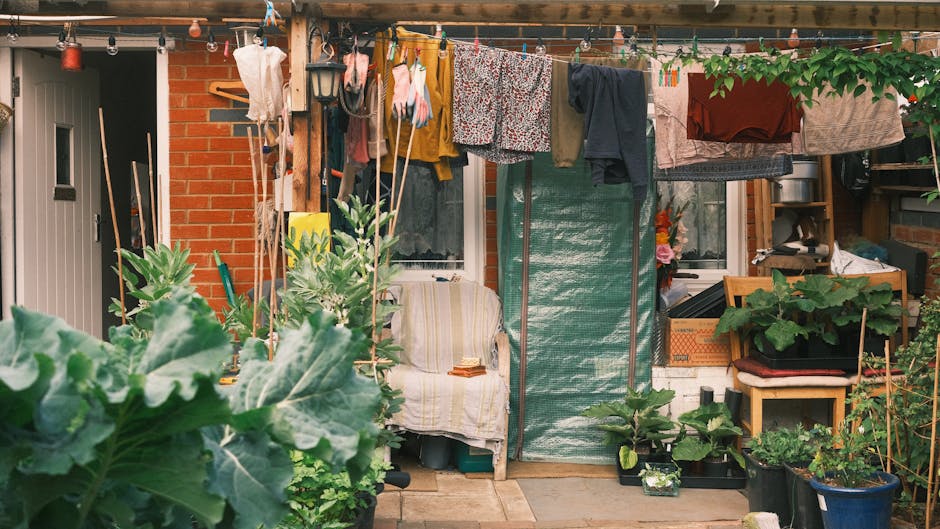
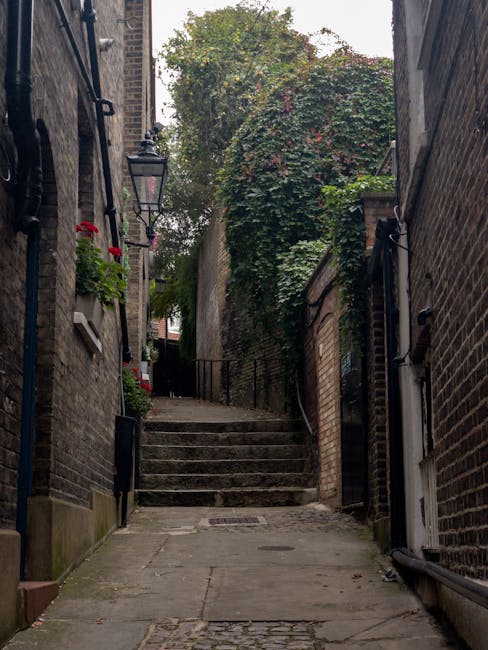
Here is a realistic example from a typical Hackney-style back yard. A narrow passage led from the front door to the rear garden. The gate was tight, the path had one awkward step, and several large planters had been pushed against the wall over time. The garden itself was not huge, but it felt blocked because the route in was so cramped.
The practical fix was not dramatic. First, the route was cleared. Then the work was split into sections: hedge and climbing growth at the back, border tidying in the middle, and lawn care near the access point last. Waste was bagged in smaller loads and removed as each section was finished. That kept the route open and reduced the chance of damage to the paving.
What changed the most was not the amount of work, but the order of work. Once that was sorted, the job felt calmer. Less stopping and starting, less carrying things around twice, less "where do we put this bag now?" It just flowed better.
In a garden like this, the difference between a stressful morning and a manageable one is often only a few smart decisions. Not magic. Just good sequencing and a realistic view of space.
Practical Checklist
Use this quick checklist before booking or starting work in a narrow Hackney yard:
- measure the tightest gate, passage, or side entrance
- remove bikes, bins, loose furniture, and clutter from the route
- check for steps, slopes, slippery paving, or loose slabs
- confirm where tools, bags, and waste can be staged
- decide whether the job is maintenance, clearance, trimming, or a mix
- take a few photos of the access route if you are requesting a quote
- ask whether compact tools or staged work would be better
- protect delicate surfaces or planting where needed
- plan how waste will leave the site without blocking the work area
- keep a little spare room for the finishing sweep and tidy-up
Expert summary: In narrow yards, access is not a side issue; it is part of the job design. If the route is planned well, the garden work becomes safer, cleaner, and usually quicker too.
If you are comparing services or want to understand what is included before you commit, take a look at the wider services overview and review the practical details in the terms and conditions. That helps avoid surprises later, which is always nice.
Conclusion
To avoid access problems for Hackney gardeners in narrow yards, think beyond the plants and focus on the route into the garden, the way waste leaves it, and the amount of room needed to work safely. That one shift in thinking can make a cramped outdoor space feel much more manageable.
The best results usually come from clear measurements, smart staging, the right tools, and honest communication before the job begins. Whether you need regular maintenance or a one-off tidy-up, the same principle holds: tight access is workable when the plan respects the space instead of fighting it.
And if you have ever stood in a tiny side passage at 8am wondering how a full garden job is supposed to happen through that gap, well, you are not alone. It can be done. Usually better than people expect, in fact.
Get a free quote today and see how much you can save.
For a little more background on the team and how the service approach is set up, you may also find the about us page useful. If you need to talk through a tricky access route directly, use the contact us page and describe the space as clearly as you can. That first conversation often saves the most time.
Frequently Asked Questions
What is the main reason narrow yards cause problems for gardeners?
The biggest issue is usually movement. Narrow gates, tight side passages, steps, and clutter make it difficult to bring tools in, carry waste out, and work without damaging surfaces or planting.
How do I prepare a narrow garden before a gardening visit?
Clear the access route first, move loose items out of the way, measure the tightest point, and check where tools or waste can be staged. A few photos can help too.
Can gardeners work in very small Hackney yards?
Yes, often they can. The key is matching the method to the site. Smaller tools, hand work, staged clearance, and careful planning usually make the job possible.
What jobs are most affected by access problems?
Garden clearance, hedge trimming, lawn mowing, and tree-related work are often most affected because they can involve bulkier equipment or more waste to move.
Should I mention access problems when asking for a quote?
Definitely. In fact, it is one of the most useful things you can do. Access affects time, equipment choice, and how the work is planned, so it should be discussed up front.
Is it better to clear the whole yard first or work in sections?
It depends on the site, but in narrow yards a staged, section-by-section approach is often easier. It keeps the route open and reduces the chance of blocking yourself in.
What if my gate is too narrow for a standard mower?
Then a compact mower, hand tools, or a different maintenance method may be needed. Sometimes the answer is not forcing larger kit through; it is changing the workflow.
Are narrow garden jobs more expensive?
They can be, because tight access may take more time or require smaller equipment and extra handling. That said, a good plan can keep costs sensible and avoid wasteful delays.
Do access problems raise safety concerns?
Yes. Tight routes can increase trip risks, carrying strain, and the chance of damage to the property. Safe access planning is just as important as the garden work itself.
How do I know if my garden needs clearance before maintenance?
If the route is blocked, the beds are overgrown into the path, or there is too much waste and clutter to work comfortably, clearance first is usually the smart move.
Can access problems be fixed permanently?
Sometimes, yes. Small layout changes, better storage, wider gate solutions, or practical resurfacing can all help. In other cases, regular maintenance and tidy access habits are enough.
What should I tell a gardener about a tricky access route?
Tell them the gate width, whether there are steps or slopes, where the tools will go, and how waste should leave the site. The more concrete you are, the better the plan will be.
Where can I find more information about your approach to safety and site care?
The most useful starting points are the health and safety policy, insurance and safety, and the accessibility statement. They explain the practical expectations in plain language.
What is the best next step if my yard is awkward but I still need work done?
Gather a few photos, measure the access points, and request a quote with the access details included. That gives the team the best chance of planning properly from the start.