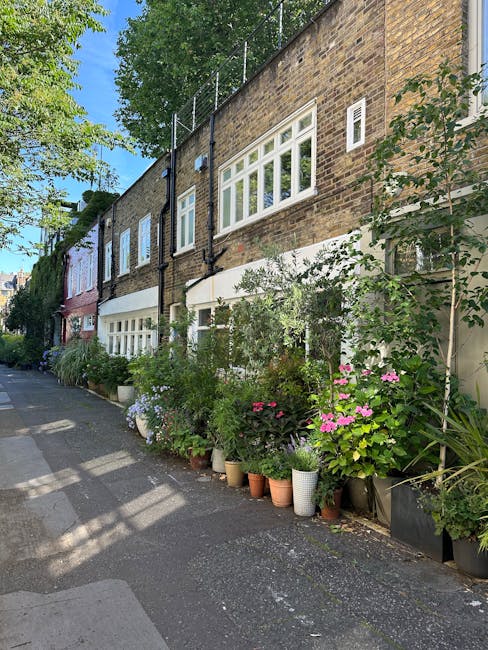
Dalston garden maintenance for Victorian terraces
If you live in a Victorian terrace in Dalston, you already know the garden rarely behaves like a neat little brochure image. It might be long and narrow, a bit shaded, overlooked by neighbouring windows, and full of stubborn corners where weeds seem to thrive for no good reason. That is exactly why Dalston garden maintenance for Victorian terraces needs a different approach from a standard suburban lawn tidy-up. The layout, age of the property, and local growing conditions all matter.
This guide breaks down what proper maintenance looks like, why it matters, and how to keep a terrace garden looking cared for without turning it into a second job. Whether you want occasional help or a regular maintenance plan, you will find practical advice here that actually fits the way these gardens are used in real life.
And yes, there is a way to keep things manageable. Not perfect. Manageable. That is usually the sweet spot.
Table of Contents
- Why Dalston garden maintenance for Victorian terraces Matters
- How Dalston garden maintenance for Victorian terraces Works
- Key Benefits and Practical Advantages
- Who This Is For and When It Makes Sense
- Step-by-Step Guidance
- Expert Tips for Better Results
- Common Mistakes to Avoid
- Tools, Resources and Recommendations
- Law, Compliance, Standards, or Best Practice
- Options, Methods, or Comparison Table
- Case Study or Real-World Example
- Practical Checklist
- Conclusion
- Frequently Asked Questions
Why Dalston garden maintenance for Victorian terraces Matters
Victorian terraces were not designed with today's gardening habits in mind. Many gardens attached to these homes are compact, shaded by walls or mature trees, and divided into distinct zones that can feel awkward rather than open. You may have a rear garden with a narrow run of paving, a small lawn or gravel area, a patio for bins or seating, and boundary beds that dry out faster than you expect in a London summer.
That mix creates a few recurring problems. Moss can build on shady paving. Shrubs can become leggy when they are planted too close together. Self-seeded plants can take over quickly. A garden that looked fine in May can feel unruly by August, especially if nobody has kept on top of deadheading, edging, pruning, and general tidy work.
In Dalston, there is another layer too: pace of life. Many people want their outside space to be useful, not another project that sits at the back of the week and gets worse every time it rains. Truth be told, Victorian terrace gardens often need maintenance that is both practical and calm. Not over-designed. Not overworked. Just consistently managed.
This matters because a well-kept garden does more than look nice. It supports drainage, keeps access routes clear, reduces trip hazards, and helps you spot problems early. A small issue with a border or boundary hedge can become a bigger and messier job if it is left for months.
If you are looking at wider help for your outdoor space, it can also be useful to review the main services overview so you can see how maintenance fits alongside other garden work.
How Dalston garden maintenance for Victorian terraces Works
Good maintenance starts with understanding the garden as a system rather than a list of chores. In a Victorian terrace, that usually means looking at structure first, then health, then presentation. A tidy garden that is also healthy will hold up much better through the seasons.
Typically, maintenance work in these gardens includes:
- cutting back overgrowth without stripping away all shape
- weeding beds, paving joints, and borders
- pruning shrubs, climbers, and small trees at the right time
- hedge trimming where boundaries need to stay neat and manageable
- lawn care, if the garden has turf
- leaf clearing and general seasonal tidy-ups
- checking drainage, soil level changes, and damaged edging
- keeping compost, green waste, and recycled material organised
The exact routine depends on your garden's layout. For example, a north-facing terrace garden near a tall wall may need more moss management and less mowing. A south-facing courtyard-style space may need regular watering and more frequent deadheading. A slightly neglected garden with dense shrubs will need a lighter, phased approach rather than one dramatic cut. That bit matters. Chop too much at once and you can leave the space looking bare, stressed, or simply odd.
In practice, maintenance often begins with a visit and a conversation: what do you want the space to do, what is not working, and what level of effort do you realistically want to keep up? That may sound obvious, but it saves a lot of guesswork.
If you are comparing providers or want to understand service scope before booking, the pricing and quotes page is a sensible next stop because it helps frame what is included and what might be added separately.
Key Benefits and Practical Advantages
The best garden maintenance work is not flashy. It just quietly makes life easier.
1. The garden stays usable. Paths stay clear, seating areas are less cluttered, and you are more likely to step outside for coffee, a quick read, or a small family dinner. A garden that feels accessible gets used. A garden that feels chaotic tends to be ignored.
2. Problems are caught early. Overwatering, poor drainage, root crowding, and pest pressure are easier to deal with when someone is checking the garden regularly. A cracked edge or a failing trellis is much simpler to fix before it becomes a proper nuisance.
3. Boundaries and planting look intentional. Victorian terraces often benefit from a balance of structure and softness. Keeping climbers trained, borders edged, and shrubs thinned means the garden feels cared for rather than merely cut back.
4. Seasonal changes become easier. London weather is a bit all over the place, let's face it. One wet spell and a warm week later, things can race away. Regular maintenance helps the garden adapt instead of lurching from tidy to overgrown.
5. You reduce the big clean-up cycle. It is much easier to keep a terrace garden under control with smaller, regular sessions than to wait until it becomes a full weekend recovery mission. Nobody enjoys that moment when the wheelie bin is full of cuttings before lunchtime.
Expert summary: For Victorian terraces in Dalston, the smartest approach is usually steady maintenance with seasonal adjustments, not aggressive one-off clearance. Structure first, then planting health, then the finish. That order tends to give the best long-term result.
Who This Is For and When It Makes Sense
This type of maintenance is a good fit for quite a few people, not just keen gardeners.
- Busy homeowners who want the garden to stay presentable without spending every spare hour outside.
- Landlords and property managers who need outdoor areas to remain tidy, safe, and broadly attractive for tenants.
- New movers who have inherited a garden with good bones but uneven maintenance history.
- Families who use the space hard and need it reset regularly.
- Older residents who want the garden maintained properly without the physical strain.
- People preparing to sell or let who know that outdoor presentation still counts, even in smaller terrace properties.
It also makes sense when the garden starts to feel slightly beyond casual DIY. You know the type: the ivy is starting to explore places it should not, the back corner is always damp, and the border has become a mystery mix of weeds and plants you do not remember buying. Not a disaster, just awkward. That is usually the point where regular help becomes good value.
If you want to understand the team behind the work before making a decision, you can read more on the about us page.
Step-by-Step Guidance
Here is a practical way to approach maintenance for a Victorian terrace garden in Dalston.
- Assess the garden properly. Look at shade, access, soil condition, drainage, plant density, hard landscaping, and how the space is actually used. A garden that looks tidy from the kitchen may still have hidden issues at the back.
- Set a realistic finish level. Do you want a crisp, formal feel or a softer, lived-in look? The answer changes how hard borders are edged, how much foliage is retained, and how often pruning is needed.
- Clear the obvious problem areas first. Remove litter, dead growth, and anything blocking paths or drains. That gives you room to see what matters.
- Cut back carefully. Avoid the temptation to hack everything down at once. A phased cut is usually better for climbers, shrubs, and mixed borders in older gardens.
- Weed thoroughly. Focus on root removal where possible, especially in paving joints and around border edges. Surface-only weeding can look fine for a week, then right back again.
- Shape and define. Trim hedges, train climbers, edge lawns or beds, and make pathways feel intentional.
- Improve soil and moisture balance. Add mulch where suitable, check watering needs, and reduce compaction in planting areas.
- Finish with disposal and recycling. Green waste should be handled properly, and reusable cuttings or compostable material should be separated where possible.
A small but useful habit: take a few photos before and after each maintenance session. It helps you notice what is changing, what keeps recurring, and whether the work is actually solving the problem or just polishing it for a day.
Expert Tips for Better Results
These are the sorts of details that tend to separate a decent tidy-up from a genuinely good maintenance routine.
Work with the garden's light, not against it
Many terrace gardens in Dalston get strong light for only part of the day, or they get harsh reflected heat off brick and paving. Choose plants and prune in a way that respects that reality. Overcrowded shade planting can become damp and weak; sun-loving borders can dry out fast against a warm wall.
Leave enough structure
It is tempting to cut all climbers and shrubs back to a very clean outline. Sometimes that works. Sometimes it leaves the garden flat and lifeless. Keeping some shape in the planting makes the garden feel settled, especially in older properties where brickwork, railings, and traditional lines already do a lot of visual work.
Mulch with a purpose
A good mulch layer can help with moisture retention and weed suppression, but it should be applied sensibly. Too much, or too close to stems, can cause problems. A modest, even layer tends to be enough in most domestic terrace gardens.
Pay attention to edges
Edges do a surprising amount of work. Crisp borders and clear path edges make a small garden look calmer instantly. It is one of those small things people notice without quite realising why.
Plan around the season, not the calendar alone
Spring growth can be sudden, summer can dry everything out, autumn can bury the garden in leaves, and winter maintenance is often about pruning, clearance, and protection. If you follow the weather as much as the month, the results are usually better.
If your garden work includes tidy disposal and a more responsible approach to waste, the recycling and sustainability page is worth a look. That sort of thing sounds minor until you are left with a mountain of green waste after a good clear-out.
Common Mistakes to Avoid
Some mistakes happen because people are in a rush. Others happen because terrace gardens are trickier than they first appear.
- Overcutting shrubs and climbers. A drastic trim can leave gaps that take months to recover.
- Ignoring hidden drainage issues. Water pooling near a back door or patio edge is not something to shrug off.
- Using a one-size-fits-all routine. Victorian terraces vary a lot. A courtyard garden and a long rear garden need different maintenance rhythms.
- Leaving weeds until they seed. Once they spread, everything becomes harder.
- Forgetting access and storage. Narrow side returns, bins, and stored items can block maintenance work if nobody plans around them.
- Making the garden too bare. Over-tidied gardens can lose privacy and character, which matters in terraces where overlooked spaces are common.
One more thing: do not assume that a garden needs a complete reset every time it looks untidy. Sometimes it needs selective care, not a dramatic makeover. There is a difference, and a fairly important one.
Tools, Resources and Recommendations
For terrace garden maintenance, the basics matter more than fancy kit. Good tools make work cleaner, safer, and less exhausting.
| Tool or Material | Best Use | Why It Helps in Victorian Terraces |
|---|---|---|
| Bypass secateurs | Pruning stems and light shaping | Gives a cleaner cut on living growth and reduces damage |
| Long-handled loppers | Thicker branches and awkward reaches | Useful in narrow gardens where access can be tight |
| Border fork | Loosening compacted soil | Helps restore airflow in older planting beds |
| Stiff hand brush | Cleaning paving and edges | Good for mossy or shaded paths common in terrace gardens |
| Wheelbarrow or tubs | Moving cuttings and waste | Makes disposal easier in tight back gardens |
| Organic mulch or compost | Feeding and protecting beds | Supports soil health over time, especially in dry borders |
That table is not about having the biggest toolkit. It is about using the right thing for the job. A lot of garden frustration comes from trying to force the wrong tool into a tight space. We have all done it, and it usually ends with a slightly annoyed sigh.
If you are looking for service information before arranging work, you may also find the services overview helpful for understanding the broader support available.
Law, Compliance, Standards, or Best Practice
Most home garden maintenance is straightforward, but there are still sensible standards to keep in mind. In the UK, safe working practices matter, especially where ladders, power tools, sharp tools, waste removal, or shared access are involved. If someone is working on your property, it is reasonable to expect clear communication about safety and insurance.
For domestic gardens in terrace properties, best practice usually includes:
- keeping pathways and work areas as clear as possible during maintenance
- using tools appropriately and storing them safely
- avoiding unnecessary disturbance to neighbouring properties
- handling waste responsibly
- being careful around uneven surfaces, damp paving, and confined access points
If you are comparing providers, it is sensible to ask about safety procedures and public liability insurance. That is not being fussy. It is just normal due diligence. The same goes for knowing how a company handles payments, terms, and data. You can review relevant policies such as insurance and safety, health and safety, and payment and security before proceeding.
For general customer information, the pages on terms and conditions and privacy policy are also worth checking. They help set expectations in a clear, ordinary way.
Options, Methods, or Comparison Table
There is more than one way to maintain a Victorian terrace garden. The right option depends on budget, time, and how much the space has grown out.
| Approach | Best For | Pros | Trade-offs |
|---|---|---|---|
| One-off tidy-up | Overgrown gardens needing a reset | Fast improvement, good for starting fresh | Can fade quickly without follow-up |
| Seasonal maintenance | Gardens that are mostly under control | Matches growth cycles, keeps costs sensible | May not be enough for heavily neglected spaces |
| Regular monthly care | Busy households and rental homes | Keeps the garden consistently neat and usable | Needs ongoing commitment |
| Phased restoration | Very dense or mature terrace gardens | Protects planting while improving structure | Takes longer to reach the finished look |
In many Dalston terrace gardens, a phased restoration followed by lighter regular care is the most realistic blend. It gives the garden room to recover and avoids the shock of a single heavy-handed cut. That said, if the space is already fairly tidy, monthly or seasonal care may be enough.
Case Study or Real-World Example
Imagine a typical rear terrace garden in Dalston: about the width of a few paving slabs and long enough to feel slightly like a corridor. There is a small patio closest to the house, a central bed with a mix of shrubs and self-seeded plants, and a back boundary with an old climber that has gone a bit wild. The paving is slippery in places, and the corners have gathered weeds, moss, and a few forgotten plant labels from years ago.
The first visit is not about making everything perfect. It is about making the space readable again. Cut back the worst growth, clear the paths, remove dead stems, and identify which plants are worth keeping. A light prune on the climber, some edging, and a proper weed clear-out can completely change how the garden feels. Suddenly the back wall is visible again. The patio looks usable. The whole thing breathes a bit.
On the next visit, the maintenance becomes more specific: define the borders, improve the soil with compost or mulch where suitable, and set a routine for seasonal trimming. The result is not a formal show garden. It is better than that for everyday life. It feels looked after, and it is easy to live with.
That kind of change is often what people want most. Not drama. Just a garden that stops nagging at them every time they look out the back door.
Practical Checklist
Use this simple checklist before booking or planning work on a Victorian terrace garden in Dalston.
- Check whether the garden is shaded, sunny, or mixed across the day.
- Note any access issues, narrow side passages, or storage problems.
- List the plants you want kept, shaped, or removed.
- Look for blocked drains, slippery paving, or uneven edges.
- Decide whether you want a one-off tidy-up or ongoing maintenance.
- Think about privacy needs from neighbouring homes.
- Ask how green waste will be removed or recycled.
- Confirm whether safety, insurance, and terms are clearly explained.
- Set a realistic finish level for the space.
- Schedule follow-up care before the garden slips back into chaos.
Simple enough, really. But useful. Especially when the garden has become one of those jobs that keeps being postponed because other things feel louder.
Conclusion
Dalston garden maintenance for Victorian terraces is really about balance. These gardens need enough care to stay healthy and safe, but not so much intervention that they lose their character. When the work is planned around light, layout, season, and the way you actually use the space, the results are far better and far easier to live with.
Whether your garden needs a careful reset, regular upkeep, or help keeping a mature planting scheme under control, the right approach should feel calm, practical, and tailored to the property. A terrace garden does not need to be perfect. It just needs to work for you.
If you are ready to take the next step, explore the relevant pricing and quotes information and reach out when it feels right.
Get a free quote today and see how much you can save.
And if all you want right now is a garden that looks a little more like home and a little less like a weekend you never had, that is a perfectly good place to start.
Frequently Asked Questions
What makes Victorian terrace gardens in Dalston different from other gardens?
They are often narrower, more enclosed, and more shaded than newer gardens. That means maintenance has to account for limited access, privacy, drainage, and planting that can cope with London conditions.
How often should a Victorian terrace garden be maintained?
It depends on the layout and planting, but many gardens benefit from seasonal work at minimum, with more frequent visits during the faster growing months. Small, regular sessions usually beat rare big clear-outs.
Do I need a full garden tidy-up or just regular maintenance?
If the space is overgrown, a tidy-up or phased restoration may be the best start. If it is broadly under control, regular maintenance can keep it that way without major disruption.
Can shaded terrace gardens still look good?
Absolutely. Shade just changes the plant choices and maintenance routine. Moss, moisture, and leaf build-up need more attention, but shade gardens can look elegant and calm when managed properly.
What should I expect from a professional garden maintenance visit?
Usually an assessment of the space, followed by pruning, weeding, edging, clearance, and a finish that makes the garden usable again. The exact scope should be agreed in advance so there are no surprises.
Is garden maintenance different from landscaping?
Yes. Maintenance keeps an existing garden healthy and tidy. Landscaping usually involves bigger changes such as new layout, paving, planting design, or structural features.
How can I keep my terrace garden manageable between visits?
Focus on small habits: remove weeds before they seed, deadhead spent flowers, keep edges clear, and do a quick check of paving and drains after wet weather. Little and often really does help.
What happens to the garden waste?
That depends on the service arrangement, but good practice is to remove, sort, and recycle green waste responsibly wherever possible. If you are unsure, ask in advance how disposal is handled.
Do I need to worry about safety and insurance?
Yes, it is sensible to ask. Any work involving tools, access challenges, or waste handling should be backed by clear safety procedures and appropriate insurance.
How do I know if a maintenance plan is right for my garden?
If the garden repeatedly gets out of hand, or you do not have time to keep up with seasonal growth, a maintenance plan can save stress. It is also useful if you want the garden to stay presentable for family, tenants, or guests.
Can a neglected Victorian terrace garden be restored without starting from scratch?
Usually, yes. Many overgrown terrace gardens can be improved through careful clearance, phased pruning, and follow-up maintenance. The key is not to rush and strip everything back in one go.
Where can I find more information before booking?
You can review the services overview, check pricing and quotes, and read the relevant trust pages such as about us and contact us if you want to ask a few questions first.