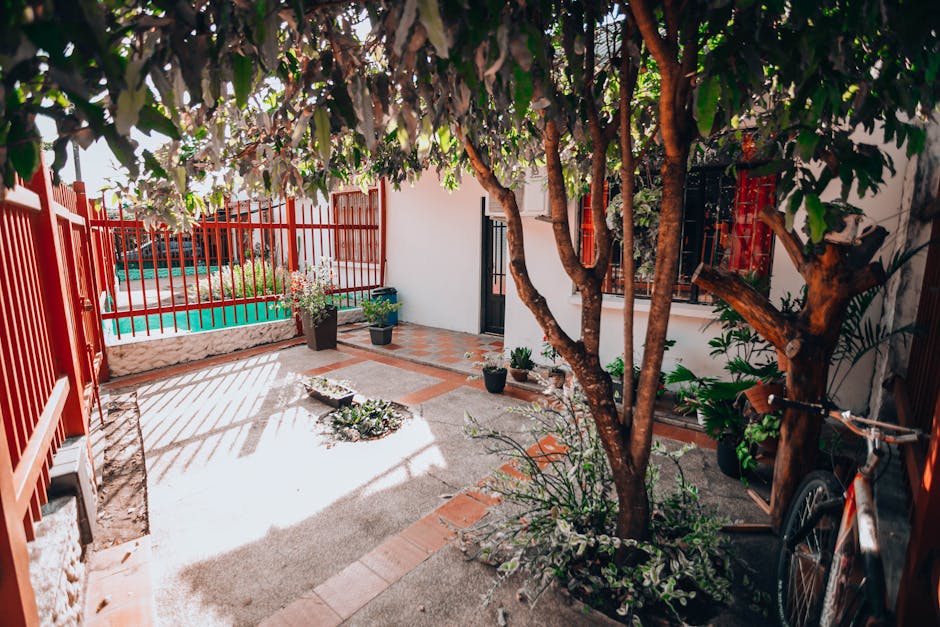
E8 gardeners for small courtyard gardens near Victoria Park: a practical guide to making compact outdoor spaces work beautifully
If you live near Victoria Park and your courtyard garden feels more like a tight passage than a proper outdoor room, you are not alone. Small London gardens can be charming, but they can also be awkward: shaded corners, limited access, overlooked boundaries, and the constant battle between what looks good and what actually fits. That is exactly where E8 gardeners for small courtyard gardens near Victoria Park can make a real difference.
This guide breaks down what to expect, how the process usually works, what makes a compact courtyard succeed, and how to avoid the common mistakes that waste money or make a small space feel even smaller. We will also cover practical considerations like maintenance, materials, safety, and the kind of service standards worth checking before you book anyone in. To be fair, the details matter a lot more in a courtyard than they do in a larger garden.
Whether you want a tidy low-maintenance space for a morning coffee, a planting scheme that survives London weather, or a full redesign that makes better use of every inch, this article should help you make a sensible decision without the usual fluff.
Why E8 gardeners for small courtyard gardens near Victoria Park Matters
Small courtyard gardens in E8 are often treated like afterthoughts. They get a quick sweep, a tired pot or two, maybe a bit of ivy, and then everyone wonders why the space never feels inviting. The truth is that compact gardens need a different kind of thinking. They are not just smaller versions of a larger plot. They are more like outdoor rooms with awkward proportions, local shading, privacy issues, and limited storage.
Near Victoria Park, many homes sit in busy, densely built streets where light changes throughout the day and access can be tight. That shapes everything: which plants will cope, what materials make sense, how often maintenance is needed, and whether the space should feel private, sociable, or simply calm. A good gardener reads those conditions quickly. A great one notices the little things. The draught between buildings. The wet patch that never quite dries. The place where morning sun hits for only an hour, but it is enough for something lovely.
That is why choosing local gardeners with experience in small courtyard layouts can save you from trial and error. They understand that in a courtyard, one bad decision is magnified. A chunky planter can block movement. The wrong surface can become slippery. A plant that grows too enthusiastically can suddenly eat the whole view. And yes, that happens more often than people admit.
There is also the practical side. Courtyards tend to be visible from kitchens and living rooms, so they affect how the whole home feels. A neat, layered planting scheme or a well-proportioned hardscape can make a flat or house feel more finished. It is a small space, but it carries a surprising amount of emotional weight.
How E8 gardeners for small courtyard gardens near Victoria Park Works
Most courtyard garden projects start with an assessment of the space rather than with plants. That may sound obvious, but it is often missed. The gardener usually looks at dimensions, access, drainage, sun and shade, boundary walls, existing soil condition, and how the garden is actually used day to day. A courtyard that hosts two chairs and a herb pot has different needs from one that must cope with bikes, bins, kids, or pets.
From there, the work usually falls into a few stages:
- Assessment and brief: understanding your goals, budget, and the current condition of the courtyard.
- Clean-up or clearance: removing unwanted growth, old pots, broken fixtures, or clutter that makes the area feel cramped.
- Design choices: selecting planting, surfaces, containers, edging, screening, and lighting ideas that suit the space.
- Implementation: planting, pruning, soil improvement, patio care, container arrangement, and any light garden building work within scope.
- Aftercare: setting a maintenance rhythm so the garden stays good-looking instead of sliding back into chaos two weeks later. Happens fast, honestly.
In many cases, the best approach is phased rather than all-at-once. Courtyards can feel visually busy very quickly, so a measured rollout tends to work better. You might start with structure first, then planting, then finishing touches like lighting or decorative pots. That way, the garden has breathing room.
Another important point: local gardeners are often better placed to recommend practical combinations for London conditions. For example, a north-facing courtyard near Victoria Park may need shade-tolerant planting and lighter surfaces to avoid a gloomy feel, while a sunnier aspect may benefit from drought-aware choices and more frequent watering support in summer. Tiny details, big difference.
Key Benefits and Practical Advantages
When a small courtyard is handled properly, the benefits go well beyond appearance. It becomes easier to use, easier to maintain, and much more pleasant to look at from inside the house. You do not need a huge budget or a grand design. You need a coherent one.
Better use of space. A courtyard needs clear circulation. Experienced gardeners know how to avoid cluttering the centre and instead use edges, corners, walls, and height. That can make the same space feel larger without changing the footprint at all.
Lower maintenance, if designed sensibly. A lot of people want a low-maintenance courtyard, but they choose high-maintenance materials or thirsty plants. Good planning fixes that. You can still have colour and texture without committing yourself to endless weekend upkeep.
More privacy. In E8, overlooking is a real thing. Boundary planting, trellis, slim screening, and carefully placed containers can soften the view without making the garden feel boxed in. The trick is balance. Privacy, yes. Claustrophobia, no.
Better drainage and cleaner surfaces. Small gardens often show puddling, moss, algae, and staining more quickly than larger ones. A practical gardener will factor in cleaning, permeability, and material choice so the space stays safer and more attractive.
A stronger connection to the home. When a courtyard looks considered, the whole property feels more settled. That is especially useful if you use the space from the kitchen, a rear reception room, or a studio. You notice it every day, even if you are not consciously thinking about it.
Expert summary: In a compact courtyard, the best results usually come from three things working together: clean structure, restrained planting, and maintenance that matches your real lifestyle rather than your ideal one.
Who This Is For and When It Makes Sense
This service is a good fit for a wide range of homeowners and tenants, but it is especially useful if your courtyard currently feels underused, messy, or hard to manage. If you have ever thought, "I know this could look better, I just do not know where to start," then yes, this is probably for you.
It tends to make sense for:
- homeowners who want a polished, usable outdoor space without the trial-and-error stress
- landlords looking to improve presentation between tenancies
- busy households needing a low-maintenance garden layout
- people with shaded, overlooked, or awkwardly proportioned courtyards
- residents who want seasonal planting but not a full-time gardening job
- anyone who needs a tidy, welcoming view from the kitchen or sitting room window
It may also be worth considering if your current garden has become a storage zone for broken pots, random buckets, and "I'll deal with that later" items. We have all seen that corner. The one with the old hose, a windblown planter, and a mystery amount of soil. Not ideal.
Sometimes the need is not a redesign at all. Sometimes it is smarter pruning, better container grouping, and a clearer maintenance plan. That can be enough to transform the feel of the space.
Step-by-Step Guidance
If you are planning to hire a gardener for a small courtyard near Victoria Park, a sensible process helps you get better value and fewer surprises. Here is a straightforward way to approach it.
- Define what the space should do. Do you want somewhere to sit, plant, entertain, dry laundry, store bikes, or simply enjoy a clean view? The answer shapes everything.
- Measure and photograph the courtyard. Even rough measurements help. Photos taken in morning and late afternoon show how light moves through the space.
- List the problems, not just the wishes. Drainage issues, shade, weeds, drainage channels, slippery paving, or a lack of privacy should be flagged early.
- Ask for a practical plan. The best gardeners will explain what they would do first, what can wait, and what will have the biggest visual impact.
- Confirm scope and maintenance. A courtyard often needs follow-up care. Make sure you understand whether ongoing visits, seasonal refreshes, or one-off tidy-ups are being proposed.
- Check materials and plant choices. Containers, mulch, soil conditioners, and plants should all match the conditions. Fancy is fine. Reliable is better.
- Review access and timing. Tight access, neighbours, parking, and shared entryways can affect scheduling and how work is carried out.
- Set a realistic aftercare routine. A beautiful courtyard still needs watering, pruning, and occasional cleaning. The maintenance plan should suit your actual week, not a fantasy one where you have endless free time and strong tea.
One small but useful tip: ask what happens in winter and in peak summer. Many gardens look good in April and then unravel by August or November if the plan is too optimistic. Seasonal resilience matters in London.
Expert Tips for Better Results
There are a few principles that consistently improve small courtyard gardens, and they are worth keeping in mind before any work begins.
Think vertically before you think broadly
In compact gardens, height is your friend. Wall planters, trellis, climbers, and taller planting at the edges can draw the eye upward and open up the centre. Just do not overcrowd every vertical surface, or the space starts to feel busy and compressed.
Use repetition to calm the layout
Repeating a limited set of materials or plants creates rhythm. Three matching pots often look better than seven mixed ones. Slightly boring? Maybe. But in a tiny courtyard, calm often wins.
Choose plants for their behaviour, not just their colour
Some plants look wonderful in a nursery and then behave like they own the place. In courtyards, that can become a problem fast. Ask about eventual size, rooting habit, shade tolerance, drought tolerance, and seasonal interest. The "will this still look right in 18 months?" question is a good one.
Make cleaning easier than neglect
If paving is hard to wash, pots are awkward to lift, or dead foliage is hard to reach, the courtyard will drift into mess. Good design lowers friction. That is a very unglamorous idea, but it works.
Leave some breathing room
A small space still needs negative space. Every gap does not need filling. Some blank wall, some open paving, some visual pause. That is what makes a courtyard feel designed rather than stuffed.
And, honestly, less can look more expensive. A little restraint goes a long way.
Common Mistakes to Avoid
Small courtyards punish bad decisions faster than larger gardens do. A single mistake can dominate the whole feel of the space. Here are the ones worth avoiding.
- Overplanting: too many species, too many colours, too much happening at once.
- Ignoring shade and light: plants that need sun will sulk in darker corners, and sun lovers will bleach or fail.
- Using oversized furniture or pots: scale matters enormously in a compact garden.
- Choosing style before function: if the layout is awkward, it will remain awkward even with nice finishes.
- Forgetting drainage: standing water and mossy paving are common in enclosed city spaces.
- Expecting low maintenance with high-maintenance planting: it rarely works out well, and then everyone feels a bit annoyed.
- Not planning access: if tools, soil, and materials are hard to get in and out, the work becomes slower and pricier.
One of the sneakiest errors is trying to copy a larger garden style into a courtyard. It might look lovely in a magazine. In real life? Sometimes it just looks crowded. A better route is to design for the actual constraints in front of you.
Tools, Resources and Recommendations
You do not need a van full of specialist kit to improve a courtyard, but the right tools and a sensible material list make the job cleaner and more efficient. For maintenance and light improvements, experienced gardeners will usually rely on a mix of standard tools and site-specific choices.
| Need | Useful approach | Why it helps in a courtyard |
|---|---|---|
| Planting structure | Matched pots, restrained species, climbers, boundary planting | Keeps the space organised and prevents visual clutter |
| Surface care | Regular sweeping, gentle cleaning, moss awareness, drainage checks | Reduces slip risk and keeps the garden looking cared for |
| Seasonal maintenance | Pruning shears, watering plan, mulch, feeding where appropriate | Helps plants stay healthy in small containers and confined beds |
| Privacy | Trellis, slim screening, layered planting, climbing plants | Softens sightlines without blocking light completely |
| Design clarity | Sketches, measurements, reference photos, a simple planting list | Helps avoid guesswork and keeps the project focused |
If you are comparing services, it can help to review the gardener's range of gardening services so you understand whether they handle design, planting, maintenance, or a broader courtyard refresh. It is also wise to check the pricing and quotes information before you commit, because small projects often depend on access, scope, and the amount of prep needed.
For trust and planning, useful pages such as about the team, health and safety guidance, and insurance and safety information can help you feel more confident about who is coming onto your property and how the work is managed. Not glamorous reading, granted, but very useful.
If sustainability matters to you, it is worth asking how green waste is handled and whether there is a practical approach to reusing materials. The recycling and sustainability approach may give you a better sense of how waste, composting, and responsible disposal are dealt with.
Law, Compliance, Standards, or Best Practice
For most courtyard gardening work, the main issue is not heavy regulation; it is sensible, safe, and responsible practice. That said, there are a few points worth keeping in mind.
If work involves tools, access equipment, lifting, or sharp materials, it should be carried out with proper care and safe working methods. A professional gardener should be able to talk sensibly about risk reduction, site tidiness, and how they protect surfaces, neighbours, and property while working. If you are unsure, ask. A straightforward answer is usually a good sign.
In practical terms, best practice usually means:
- clear communication about the scope of work
- careful handling of plants, pots, and materials in tight access spaces
- reasonable attention to slip hazards, especially on wet paving
- responsible waste management and green waste disposal
- respect for neighbouring properties, shared access, and noise levels
- transparent payment, quote, and complaints processes
It is also sensible to review practical policies before booking, especially if you want to understand how personal data, payments, or concerns are handled. The pages on payment and security, privacy policy, terms and conditions, and complaints procedure are useful references for that side of the relationship.
For readers who value accessible communication and inclusive service, an accessibility statement can also be a positive sign. It shows attention to how different customers access information and use the service. Small detail, yes, but details are the whole game in compact garden work.
Options, Methods, or Comparison Table
Not every courtyard needs the same approach. Some need light gardening and reset work. Others need design thinking, structural changes, or regular maintenance. Here is a simple comparison to help you narrow it down.
| Approach | Best for | Pros | Trade-offs |
|---|---|---|---|
| One-off tidy-up | Overgrown or cluttered small courtyards | Quick visual improvement, clears the slate | Needs follow-up to stay tidy |
| Planting refresh | Courtyards that feel flat or tired | Adds colour, texture, and seasonal interest | Requires sensible plant selection and aftercare |
| Layout redesign | Awkward spaces with poor flow | Improves function and makes the garden feel larger | More planning, possibly more cost |
| Regular maintenance | Busy homeowners who want consistency | Keeps the courtyard looking polished year-round | Ongoing commitment, but usually worth it |
If you are not sure which route to choose, start by asking what is causing the main problem. Is it maintenance? Bad layout? Poor light? Lack of privacy? The answer points you to the right method. Most people do not need everything at once. They need the right first move.
Case Study or Real-World Example
Here is a realistic example based on the sort of courtyard project many local households face. Imagine a narrow rear courtyard near Victoria Park with tired paving, a couple of bulky containers, and not much else. The space is overlooked from the upper floors of neighbouring homes, gets partial afternoon shade, and is currently used mainly as a dumping ground for old plant pots and a folding chair no one likes very much.
A good gardener would usually begin by clearing clutter, lifting dead material, and checking the drainage around the paving edges. Then they would look at the proportions. In a space like this, a few slim, repeated planters along the boundary may work better than a mass of mixed containers. A restrained planting palette can bring order: maybe evergreen structure for winter, softer seasonal planting for texture, and one or two climbers to lift the eye vertically.
Instead of filling every corner, the design might leave a clean central area with just enough room for a chair or small bench. That alone can change how the space feels. Suddenly it becomes somewhere you could actually use with a cup of tea on a quiet morning, rather than somewhere you step through quickly with the bin.
The final result is not about making the courtyard look huge. It is about making it feel intentional. And that is often what people are really after, even if they start by asking for "just a tidy-up."
Practical Checklist
Use this checklist before you book or brief a gardener for a small courtyard project near Victoria Park.
- Measure the courtyard or estimate dimensions clearly.
- Take photos in different lighting conditions.
- List the main issues: shade, privacy, drainage, clutter, weeds, or poor layout.
- Decide what the space must do: sit, plant, store, or simply look neat.
- Set a budget range before asking for a quote.
- Ask whether the work is one-off, phased, or ongoing maintenance.
- Check whether access is easy or restricted.
- Confirm how waste and green material will be handled.
- Ask what plants or surfaces suit your specific light conditions.
- Review service details, safety information, and quote terms before proceeding.
If you can answer those ten points, the conversation with a gardener becomes much smoother. Less back-and-forth, fewer assumptions, better results. Simple enough, but easy to skip.
Get a free quote today and see how much you can save.
Conclusion
E8 courtyard gardens near Victoria Park are compact, yes, but they are also full of potential. With the right local gardener, a difficult little patch can become a calm, useful, and genuinely attractive part of the home. The key is not trying to cram in too much. It is about shape, rhythm, planting that suits the conditions, and a maintenance plan that fits real life.
If you are weighing up options, start with the practical questions: what do you want the space to do, how much care can you realistically give it, and what kind of finish will feel right six months from now, not just on day one? That mindset will save you time, money, and a fair bit of frustration.
And if you get the basics right, a small courtyard can become one of the nicest places in the whole property. Quiet, green, and yours. That is a pretty good result, really.
Frequently Asked Questions
What do E8 gardeners for small courtyard gardens near Victoria Park usually do?
They typically handle tidy-ups, planting, pruning, container arrangements, light redesign work, and ongoing maintenance for compact outdoor spaces. In a courtyard, the focus is usually on making the space work better rather than simply filling it with more plants.
How do I know if my courtyard needs a redesign or just maintenance?
If the layout feels awkward, cramped, or visually messy even when it is tidy, a redesign may help. If the space is basically fine but overgrown or tired, regular maintenance and a planting refresh may be enough.
Are small courtyard gardens expensive to improve?
They do not have to be, but costs vary with access, scope, materials, and whether you want a one-off tidy-up or a more considered garden plan. A tight space can still require careful labour, so it is worth asking for a clear quote.
What plants work best in a courtyard near Victoria Park?
It depends on the amount of sun and shade, but hardy, compact, and well-behaved plants are usually a safe starting point. Climbers, evergreen structure, and seasonal container planting often work well when chosen for the actual conditions.
How often should a small courtyard garden be maintained?
That depends on the planting style and how polished you want it to look. Some spaces only need occasional visits, while others benefit from seasonal or monthly maintenance. Container-heavy gardens often need more regular attention in warm weather.
Can a gardener help with privacy in a small courtyard?
Yes. Common solutions include slim screening, trellis, climbing plants, and layered planting along boundaries. The goal is usually to soften overlooking without blocking too much light.
What should I ask before hiring a gardener for a small courtyard?
Ask about experience with compact spaces, how they handle access, what the quote includes, what plants suit your conditions, and how aftercare works. It is also sensible to ask about safety, insurance, and waste handling.
Do courtyard gardens need special drainage care?
Often, yes. Smaller enclosed spaces can hold water, collect moss, or show surface issues more quickly. A good gardener will look at drainage and surface condition before recommending planting or layout changes.
Is it better to use pots or beds in a small courtyard?
Both can work. Pots offer flexibility and are often easier in tight spaces, while beds can create a more settled look if the garden has enough room. Many courtyards benefit from a mix of both.
How do I keep a courtyard from feeling cluttered?
Use fewer materials, repeat shapes and colours, and leave some open space. That sounds simple, but it is one of the most effective ways to make a small garden feel calmer and more spacious.
What makes a local E8 gardener different from a general gardener?
A local gardener is more likely to understand the typical scale, access limitations, shade patterns, and practical expectations of E8 homes near Victoria Park. That local context helps when you are working with a small, awkward, or overlooked space.
Where can I check service details before I book?
You can review the services overview, look at pricing and quotes, and read useful trust pages like about us, insurance and safety, and contact us if you are ready to ask questions. A little homework up front saves hassle later.
Can a small courtyard still feel luxurious?
Absolutely. In fact, small spaces often feel more luxurious when they are simple, well-structured, and carefully maintained. The luxury is in the calm, the finish, and the sense that every inch has a purpose.