Same day gardeners in Hackney for storm damage and urgent jobs
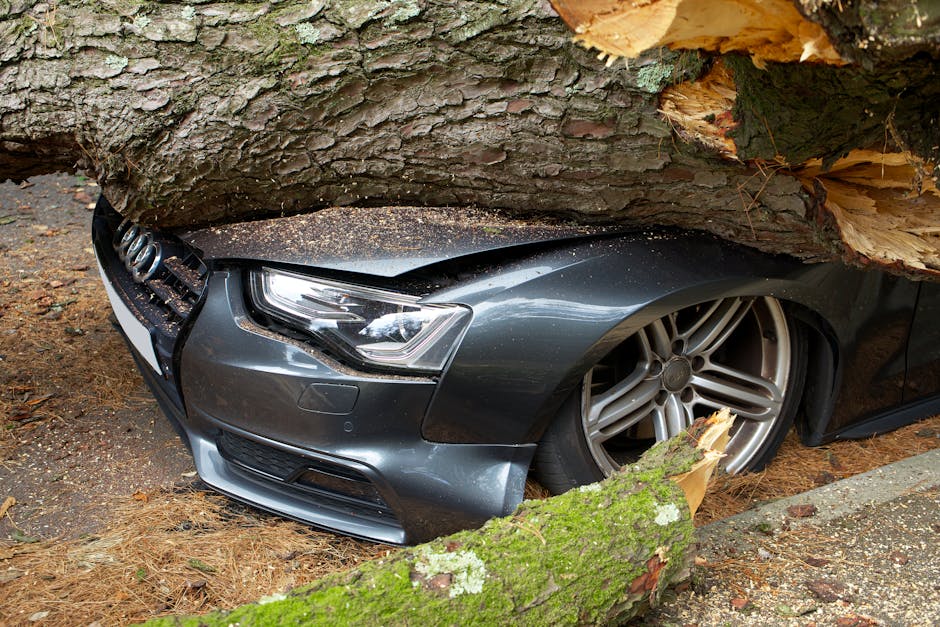
When a storm hits, the garden can go from tidy to chaotic in a single evening. Branches snap, fences lean, hedges tear, and a lawn that looked fine yesterday suddenly looks battered and unsafe. If you need same day gardeners in Hackney for storm damage and urgent jobs, the priority is simple: get the space made safe, get the mess under control, and stop a small problem becoming a bigger one.
That is what this guide is for. It explains what same day garden help usually covers, how urgent callouts work in practice, what to check before booking, and which jobs should be handled first. You will also find a practical checklist, a simple comparison table, and a realistic example so you can decide quickly without second-guessing yourself. Let's face it, when the wind has already done enough damage, the last thing you need is a confusing process.
Table of Contents
- Why Same day gardeners in Hackney for storm damage and urgent jobs Matters
- How Same day gardeners in Hackney for storm damage and urgent jobs Works
- Key Benefits and Practical Advantages
- Who This Is For and When It Makes Sense
- Step-by-Step Guidance
- Expert Tips for Better Results
- Common Mistakes to Avoid
- Tools, Resources and Recommendations
- Law, Compliance, Standards, or Best Practice
- Options, Methods, or Comparison Table
- Case Study or Real-World Example
- Practical Checklist
- Conclusion
- Frequently Asked Questions
Why Same day gardeners in Hackney for storm damage and urgent jobs Matters
Storm damage is rarely just about appearances. A broken branch can block a path, damage glass, scrape a car, or leave the garden awkward and unsafe to move through. A wind-blown fence panel can expose the property, while fallen debris can hold water, rot quickly, and attract more pests than you want hanging around.
In a dense London area like Hackney, fast action matters even more because many gardens are shared, narrow, or bordered by fences, side returns, and tight access points. One loose limb can affect next-door as well as your own space. That is why urgent garden support is not really a luxury. It is a practical response to a short window where safety, access, and neighbourly peace all need attention at once.
There is also the weather cycle to think about. After a storm, the garden often remains vulnerable for days. Wet timber, disturbed roots, split hedges, and compacted soil can all get worse if they are left alone. A quick visit can stabilise the situation early, which is usually far cheaper and far less stressful than letting it sit until the weekend.
Expert summary: same day gardening help is most valuable when the job is about safety, access, and preventing further damage. If the issue is sharp, unstable, or blocking movement, treat it as urgent rather than cosmetic.
How Same day gardeners in Hackney for storm damage and urgent jobs Works
The process is usually straightforward, though it does depend on the size of the job and how busy the day is. In most cases, you explain what happened, share a few photos if possible, and describe the access conditions. A good gardener can then judge whether they can attend the same day, what tools are likely needed, and whether the job is a quick make-safe visit or a fuller tidy-up.
For urgent work, the first visit is often about assessment and immediate action. That might mean removing loose branches, cutting back a snapped hedge section, clearing debris from paths, or securing dangerous material so it does not move in the wind. If the issue involves larger trees, damaged structures, or anything near overhead lines, the gardener may need to limit the work to what is safe on site and recommend a more specialised response.
It helps to think of urgent gardening in stages:
- Initial contact: you explain the damage, the location in Hackney, and how quickly you need help.
- Triage: the gardener decides whether the job is a same day callout, a next-day job, or something that needs specialist support.
- Arrival and inspection: they check hazards, access, and the best way to begin.
- Make-safe work: they remove immediate risks first, not the prettiest bits first.
- Clear-up and advice: they tidy the area and tell you what still needs attention later.
That order matters. A rushed cleanup that ignores the actual hazard is not very helpful, is it?
For example, if a heavy branch has split but is still hanging over a fence, the priority is to make it safe before worrying about perfect pruning cuts. A neat finish can come later. Safety first. Always.
Key Benefits and Practical Advantages
Same day support brings a mix of practical and emotional relief. When the garden looks like a small hurricane has moved through it, you tend to notice every broken stem and every crooked panel. Getting help quickly changes the whole mood of the space.
- Reduced risk: unstable branches, slippery debris, and obstructed access can be dealt with promptly.
- Less follow-on damage: the faster you remove broken material, the less likely it is to worsen in the next rain or gust.
- Better neighbour relations: if storm debris is touching a shared boundary, quick action avoids awkward conversations later.
- Cleaner photo-ready finish: sometimes you need the garden presentable fast, especially if visitors, tenants, or a sale is in play.
- More manageable stress: truth be told, there is a lot to be said for handing the mess to someone who knows where to start.
There is another advantage people sometimes miss. Urgent gardeners often spot secondary issues while they are there: a hedge that has been torn open, a lawn area that needs raking and aeration, or a garden clearance task that would be wise to bundle in while access is already open. That does not mean everything needs doing today, but it can save time if you make the most of the visit.
If you are comparing wider services, it can help to look at the full services overview so you can see how emergency tidy-ups sit alongside routine care. And if the job turns into a bigger clear-out than expected, garden clearance may be the natural next step.
Who This Is For and When It Makes Sense
Same day garden help is not only for obvious disasters. It is for anyone facing a time-sensitive problem that needs hands-on attention before the day is over, or at least before the weather has another say.
This service makes sense if you are:
- a homeowner with storm-fallen branches or a damaged boundary
- a landlord preparing a property between tenancies and needing the garden safe quickly
- a tenant dealing with debris that is blocking access or creating a hazard
- a business owner with an outdoor frontage that has been affected by wind and rain
- someone managing an elderly relative's garden where safety comes before appearance
It also makes sense when the job is urgent but not catastrophic. A hedge might be half-shredded, not fully collapsed. A lawn may need a fast cut after wet, windy weather to keep it from becoming unruly. A garden path might be full of leaves, twigs, and broken stems. These are the kinds of jobs that feel small at first, then gradually get in the way of daily life.
In our experience, people often wait too long because they are hoping the problem will sort itself out. It usually does not. Wind-blown branches do not magically grow back into place, annoying as that would be.
Step-by-Step Guidance
If you need help urgently, a clear sequence makes everything easier. Here is the practical version.
- Walk the garden carefully. Look for unstable branches, loose fencing, splintered timber, and anything that has shifted onto a path or driveway.
- Take a few photos. Wide shots and close-ups help explain the scale of the problem. No need for perfection.
- Make the area as safe as you can. Keep children and pets away from damaged zones. If a branch is hanging, do not tug it.
- Describe the job clearly. Say what happened, what time the damage occurred, and whether the issue affects access or security.
- Ask what can be done the same day. There is a difference between a quick make-safe visit and a full garden restoration.
- Confirm waste removal and finish expectations. Some jobs end with a tidy pile, others with full green waste removal and a cleaner reset.
- Plan the follow-up. Storm jobs often expose other work, like hedge repair, lawn recovery, or fence replacement.
If your garden needs regular attention after the urgent job is done, it may be worth booking ongoing garden maintenance so things do not build up again. That is especially useful after winter storms, when gardens can drift from manageable to messy very quickly.
A useful judgement call
Ask yourself one honest question: is this about convenience, or is it about safety and damage control? If it is the second one, do not sit on it. Same day help is usually the right call.
Expert Tips for Better Results
Good urgent garden work is not just about speed. It is about making the right decisions under pressure. A few simple habits make a real difference.
- Prioritise hazards before aesthetics. A garden can look messy and still be safe. Fix the danger first.
- Keep access clear. If the gardener can reach the problem without moving a car, bins, or stacked items, the work will usually go faster.
- Separate urgent work from optional work. Do not let a storm clear-up turn into an endless wish list on the day.
- Be realistic about large trees. If a tree has suffered major structural damage, it may need a more specialist approach than a standard tidy-up.
- Ask about disposal early. Heavy branches, thorny cuttings, and wet green waste can take more effort than expected.
A small tip that sounds obvious but saves time: keep a torch handy if the damage happened late in the evening or early in the morning. By 4pm in winter, the light can already be fading in some gardens, and a missed cracked branch is not ideal. Not ideal at all.
If you are dealing with a fence line, overgrown hedging, or branches that have made the garden feel closed in, services like hedge trimming and tree lopping and removal may become relevant after the immediate storm response. The trick is sequencing. First safe, then neat.
Common Mistakes to Avoid
Urgent jobs often go wrong because people move too fast in the wrong direction. Here are the ones that show up most often.
- Trying to remove a hanging branch yourself. If it is under tension, it can spring or shift unpredictably.
- Under-describing the job. Saying "the garden needs a quick tidy" is not the same as "a 2-metre branch has fallen across the path."
- Booking only for appearance. A neat-looking garden is nice, but safety and access come first after storm damage.
- Forgetting waste volume. Wet cuttings and broken timber can fill a vehicle or pile faster than expected.
- Leaving the cleanup too late. Storm debris goes soggy, slippery, and more awkward to shift if it sits for days.
Another common one: people assume every garden issue can be solved in a single pass. Sometimes yes. Often no. A fence repair, root disturbance, or major limb issue can need a staged approach. That is not failure, just reality.
If a larger redesign is being considered after the storm, it may be sensible to revisit the space through landscape gardening or broader landscaping once the immediate pressure has passed.
Tools, Resources and Recommendations
You do not need a full toolkit to handle a storm emergency safely. But a few things help you make better decisions and communicate more clearly with a gardener.
| Tool or resource | Why it helps | Practical note |
|---|---|---|
| Phone camera | Shows the damage clearly | Take one wide shot and one close-up for each problem area |
| Work gloves | Protect hands from sharp edges and splinters | Useful for moving light debris, not for handling unstable branches |
| Torch or headlamp | Improves visibility in poor light | Especially handy in winter evenings or after heavy rain |
| Heavy-duty bin bags or tubs | Helps separate small waste from larger cuttings | Only for light debris; wet green waste gets heavy fast |
| Notes app or checklist | Keeps the job description organised | Handy if you need to explain multiple damaged areas |
As for service resources, start with the site's pricing and quotes information if you want a clearer idea of how estimates are usually handled. It is also sensible to review insurance and safety if your urgent job involves hazards, shared boundaries, or awkward access.
For ongoing upkeep after the storm has passed, a regular lawn mowing visit can help prevent the garden from drifting back into a neglected state while you deal with repairs elsewhere. Small thing, but it keeps the whole space feeling under control.
Law, Compliance, Standards, or Best Practice
Storm damage work often sits close to safety, access, and property responsibility, so it is worth being careful. You do not need to become a legal expert overnight, but you should understand a few best-practice points.
First, any work around unstable trees, damaged structures, or shared boundaries should be approached cautiously. A competent gardener will know when to stop, assess, and avoid creating more risk. If a job appears beyond normal garden maintenance, it is sensible to pause and confirm the safest route rather than pushing ahead for the sake of speed.
Second, if there are neighbours involved, especially with a boundary fence, overhanging branches, or shared access, communication matters. A quick heads-up can prevent disputes. You do not want to be sorting out who owns the twig pile while the weather is still rough.
Third, professional standards matter even for urgent work. Look for clear explanations, sensible safety habits, and transparent pricing. That is usually a better signal than flashy promises of "instant fixes" for everything. Real garden work is practical. Messy sometimes. Honest always.
If you want a better sense of company policies and service expectations, pages like health and safety policy, terms and conditions, and about us can help you understand how a provider approaches its work. For sustainability-minded disposal and reuse, recycling and sustainability is also worth a look.
Options, Methods, or Comparison Table
Not every urgent garden issue needs the same response. This simple comparison can help you decide what level of help you actually need.
| Situation | Best approach | Why |
|---|---|---|
| Small branch debris after wind | Same day tidy-up | Quick removal restores access and stops debris spreading |
| Hanging branch over a path or fence | Urgent make-safe visit | Safety comes before neatness |
| Shredded hedge or torn boundary planting | Storm clearance plus follow-up trimming | Allows a safe temporary fix before full repair |
| Large tree damage or leaning trunk | Specialist assessment or tree removal support | Not every garden job should be handled as a routine callout |
| Post-storm overgrowth and mess | Clear-up followed by maintenance plan | Prevents the garden from slipping back into neglect |
There is also a practical difference between a quick response and a full restoration. A same day gardener may be able to clear the immediate chaos, but a deeper rebuild of beds, borders, or hard edges may need another visit. If decking has shifted, splintered, or become slippery after storm conditions, decking services may be part of the longer-term fix.
Case Study or Real-World Example
Picture a typical Hackney terrace garden after a windy night. A branch has come down across the side path, the hedge has a torn section, and a few lighter bits have blown into the neighbour's boundary. Nothing dramatic enough for a headline, but enough to make the space awkward and a bit nerve-jangling.
The homeowner calls in the morning, sends two photos, and explains that the back gate is partly blocked. A same day gardener arrives, checks the hanging limb first, and removes the loose debris before anything else. The side return is cleared, the hedge is tidied to a safe point, and the wet waste is taken away. The garden is not perfect. It does not need to be. But it is safe, walkable, and far less stressful by lunchtime.
What made the difference? Not magic. Just clear information, fast attendance, and a sensible order of work.
That sort of job is common enough to be familiar, but each one has its own little complications. Sometimes the soil is saturated. Sometimes the access is tight. Sometimes the only dry patch in the garden is where the ladders need to go. You work around it, carefully.
Practical Checklist
Before you book, run through this quick checklist.
- Identify the exact damage areas
- Take clear photos in daylight if possible
- Check whether any branches are unstable or hanging
- Keep children and pets out of the area
- Make sure access gates and paths are usable
- Note any shared boundary issues with neighbours
- Decide whether the job is urgent, hazardous, or simply messy
- Ask whether waste removal is included
- Confirm if the work is a same day make-safe visit or a fuller tidy-up
- Plan any follow-up work for hedges, lawns, trees, or clearance
Quick reminder: if the issue looks unsafe, do not wait for the "perfect time" to deal with it. Perfect time rarely turns up. Better to handle it now and breathe easier later.
Conclusion
Same day gardeners in Hackney for storm damage and urgent jobs are there to help you regain control fast. The value is not just speed for speed's sake. It is the combination of safety, practical judgement, and a clean, calm reset when the weather has thrown the garden off balance.
Whether you are dealing with snapped branches, a battered hedge, blocked access, or a garden that needs an immediate tidy before the next downpour, the smartest approach is usually the simplest one: assess the risk, explain the problem clearly, and get the right help without delay. From there, you can move into the follow-up work with far less stress.
If you are ready to sort the damage properly, start with the service details, review the safety and pricing information, and ask for help while the issue is still fresh. It tends to go smoother that way. And honestly, it feels a lot better too.
Get a free quote today and see how much you can save.
Frequently Asked Questions
What counts as a same day gardening job in Hackney?
Usually it means work that needs attention on the day because it affects safety, access, security, or prevents further damage. Storm debris, hanging branches, and blocked pathways are common examples.
Can a gardener help after a storm if the garden looks only partly damaged?
Yes. Urgent help is not only for major damage. A partly damaged hedge, scattered debris, or a shifted fence panel can still justify a same day visit if it is causing problems.
What should I send when I ask for urgent garden help?
Send a brief description, your location in Hackney, a few photos, and mention anything unsafe or inaccessible. That gives the gardener a much better idea of what the job involves.
Do same day gardeners clear away the waste too?
Often yes, but it depends on the job and what was agreed. Always ask whether green waste removal is included, especially after storm damage where the volume can be bigger than expected.
Is it safe to cut down a hanging branch myself?
Usually not. Hanging or split branches can be under tension and may move suddenly. If there is any doubt, keep clear and ask for professional help.
What if the damage involves a tree rather than a hedge or lawn?
Tree damage can be more complicated than standard garden tidying. Some situations are suitable for urgent attention, but larger or unstable trees may need specialist assessment before any work continues.
How quickly can a gardener usually arrive?
That depends on the day, the size of the job, and current demand. Same day availability is never guaranteed, but clear information and photos usually help the process move faster.
Will a same day visit fix everything in one go?
Sometimes, but not always. A first visit may focus on making the garden safe and clearing the worst of the mess, with follow-up work booked later for tidying, trimming, or repair.
What if my neighbour's side is also affected?
Say so early. Shared boundary issues are easier to handle when everyone knows what has happened. It avoids confusion and can prevent unnecessary friction later on.
Are urgent garden jobs more expensive than routine work?
They can be, because same day work often needs immediate scheduling and may involve more labour or disposal. For that reason, it is wise to review pricing information before confirming.
Can urgent garden work include fences and decking areas?
It can, if the issue is minor, accessible, and safe to address. For more involved repairs, it may be better to combine urgent make-safe work with a fuller repair plan later.
How do I know if the job needs maintenance or clearance instead of a one-off visit?
If the issue is mostly overgrowth, repeated leaf fall, or general build-up, ongoing maintenance may be the better fit. If the garden is full of storm debris or bulky waste, clearance is often the better starting point.